

 Font size:
In the American federal system, states serve as laboratories of democracy, testing bold reforms that often shape national policy. From education and labor to environmental and criminal justice reform, statelevel initiatives frequently lay the groundwork for broader change.
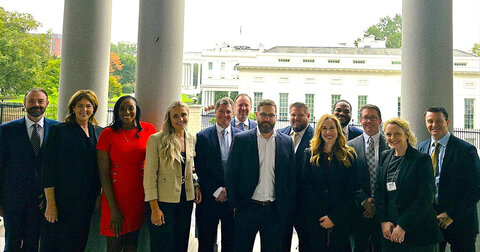
Since its founding in 1987, the Mackinac Center has developed policy solutions to advance worker freedom. Today, many of these commonsense reforms inform federal conversations. In September, in partnership with the Institute for the American Worker, the Mackinac Center leaders visited the White House and Congress to present labor policy proposals that promote accountability, innovation and individual rights.
Reform efforts include proposing model bills that return decision-making power to citizens and their elected representatives — away from entrenched union leaders. One much-needed reform is to curtail union official time, which allows public employees to perform union duties while on the taxpayer’s dime. Federal officials revealed that more than 500 employees of the Veterans Administration spend 100% of their time on union work, diverting resources from veterans who deserve better care.
The Mackinac Center Legal Foundation is currently engaged in a legal battle with the state of Michigan and a leading union over home care providers. The lawsuit challenges an attempt by the Whitmer administration to have these individuals classified as state employees who may then be compelled to pay the Service Employees International Union for its purported collective bargaining activities.
It’s also important that public policy protect the secret ballot in union elections. Laws recently enacted in three states ensure that any entity receiving public subsidies must safeguard employee privacy in union elections. Congress is exploring how to broaden this reform nationally.
We are also working to free the nation’s 73 million independent contractors from outdated labor laws that stifle flexibility and opportunity.
The Mackinac Center’s proposals aim to empower freelancers as they choose their own path.
These are just a few examples of how state-level innovation can drive national transformation. With thoughtful policy and strategic outreach, the Mackinac Center, in coordination with our allies at the Institute for the American Worker, is working to shape the future of labor policy, one state at a time.