

 Font size:
Looking to get rich betting against the market? A vintage press release suggests you might want to go short on deals that involve select business subsidies from Lansing.
Gov. Gretchen Whitmer said in February 2023 that the Ford Motor Company would invest $3.5 billion to build batteries for electric vehicles and create 2,500 jobs in Marshall. The news release trumpeted five “other recent transformational electric vehicle and battery investments in Michigan.” Three years later, there is nothing to show for it.
Ford is not investing $3.5 billion, not creating 2,500 jobs, and not building EV batteries in Marshall. None of the five other subsidy deals Whitmer promoted in this doomed press release went according to plan. All have been either significantly downsized or abandoned.
General Motors would spend $7 billion creating 4,000 jobs in Orion Township to build electric pickup trucks and invest in a battery-manufacturing plant in Lansing. That promise lasted only 10 months. GM cut 945 jobs from the Orion plant in December 2023. The following December the company sold its share of the Lansing battery plant. GM announced last year that it would stop making electric vehicles in Orion and instead build gas-powered ones there.
The Whitmer administration also touted a subsidy deal with Our Next Energy. The company promised to invest $1.6 billion to build EV batteries and create 2,112 jobs in Van Buren Township. Nine months later, Our Next Energy laid off a quarter of its workforce. In September last year, it announced it would downsize its Van Buren Township factory. It now employs fewer than 200 people there. Automotive News looked on the bright side: “The company has avoided total collapse — a fate that has befallen many EV companies and projects over the past couple of years.”
The 2023 press release also trumpeted Gotion’s plan to spend $2.4 billion building EV batteries near Big Rapids. The company promised to create 2,350 jobs. It created none. After facing opposition from area residents, including legal challenges, the company abandoned these plans for good last October.
LG Energy Solution was to invest $1.7 billion and create 1,200 jobs ramping up its EV battery production in Holland, Whitmer’s presser promised. The company laid off 170 of its 1,500 employees just nine months later. It eventually changed course and spent $1.4 billion investing in batteries for energy storage, not electric vehicles. LG will not be creating 1,200 jobs. At most, the company plans to employ two hundred more people than it originally did.
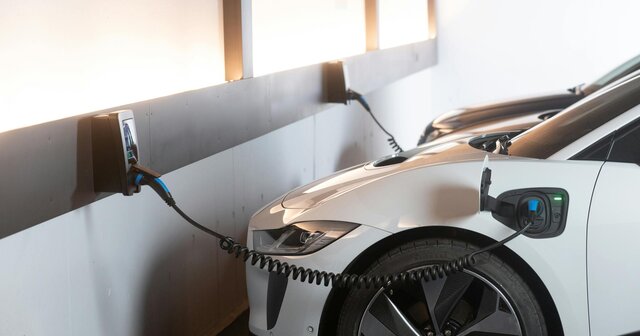
The smallest deal went for a $3 million facility in Auburn Hills. The Canadian company FLO began producing EV chargers there in 2024 and promised to create 133 new jobs. The latest report from the state economic development office shows FLO cut that promise to 77 jobs and so far has created none.
Whitmer and 12 others quoted in the 2023 press release were dead certain of success. They promised billions in taxpayer subsidies to select companies. They boasted that these investments were no-brainers in the burgeoning EV market. But their splashy superlatives seem silly now.
Whitmer called Ford’s Marshall deal a “generational investment,” whatever that means. The release promised a “far-reaching impact on the entire state.” Michigan’s economic development chief praised the “positive economic impact it will have statewide for decades to come.” A state senator claimed it would produce “a profound impact on the durability of Michigan’s economy for decades to come.”
Public officials lavished even more hyperbole on the local impact of the Ford deal. It was “once-in-a-generation opportunity that will continue to benefit [the region] for decades.” It would create “a new economic engine for the Marshall community and the greater southwest Michigan region.” It will be a “magnet for billions of dollars of new capital investment into the region” and “create an entirely new talent pipeline, preventing brain drain.”
It’s been three years since the Whitmer administration announced these “transformational electric vehicle and battery investments.” Do you feel transformed? Me neither. Public officials make promises by the pound when they hand out subsidies to businesses, but sometimes they pick only losers.
Get insightful commentary and the most reliable research on Michigan issues sent straight to your inbox.

The Mackinac Center for Public Policy is a nonprofit research and educational institute that advances the principles of free markets and limited government. Through our research and education programs, we challenge government overreach and advocate for a free-market approach to public policy that frees people to realize their potential and dreams.
Please consider contributing to our work to advance a freer and more prosperous state.