

 Font size:
This article originally appeared in Real Clear Energy September 2, 2026.
Energy affordability will be a central issue for Michigan voters in the November election. High gas prices, rising electric bills, lost jobs due to the closing of a major generation plant, and increasing opposition to data centers are near the top of the list of issues in the Michigan 4th Congressional District race.
At first glance, it appears that the Republican and Democratic candidates substantially agree on energy policy.
Incumbent Republican Bill Huizenga is now in his eighth term in Congress. “A comprehensive energy package that increases energy independence and job creation encourages the development of alternative and renewable energy sources and promotes greater efficiencies and conservation for a cleaner environment,” Huizenga says in his energy platform.
Huizenga’s challenger, State Sen. Sean McCann, who chairs the Michigan State Senate’s Energy and Environment Committee, supports “building energy infrastructure here at home so we don't have to rely on foreign oil or foreign energy. And we'll create good-paying energy jobs while we're at it.”
Notably, both Huizenga and McCann support reopening the Palisades Nuclear Power Plant in the district, which closed in 2022. Reopening the facility would create at least 600 jobs in the 4th District. Green Party candidate Shafina Barnett is also in the race, and the Michigan Green Party opposes the plant reopening.
But re-opening the Palisades plant is the only specific energy policy where Huizenga and McCann agree. The two candidates have very different ideas about what will make energy more affordable in Michigan. Their main difference is over whether to encourage electricity generation from solar and wind or from coal and natural gas.
Energy is expensive in Michigan. Michigan residential electricity rates are 16% higher than the national average, and gasoline prices this year have spiked to the ninth-highest in the nation. Michigan residential electricity rates are also higher than in any nearby state other than Illinois. The silver lining for Michigan is that natural gas prices are well below the national average, a great benefit for a state with a long winter heating season.
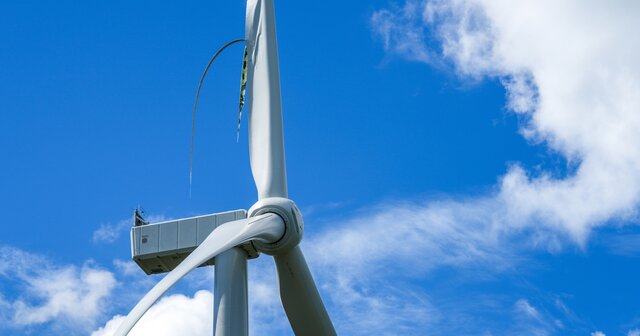
McCann voted to enact the current Michigan renewable energy mandates, which require that wind and solar power provide 60% of all electricity generated in Michigan by 2035. He still supports them. “Solar, wind, and nuclear energy here in Michigan will help us support US energy independence, reduce pollution, and create good-paying jobs in our community,” his campaign website states. “We need solutions that reduce costs for Michigan families—not aging coal and natural gas plants that make energy more expensive for ratepayers.” McCann also claims that the Trump Administration is making Michigan electricity more expensive by opposing the shutdown of the JH Campbell sub-bituminous coal generation plant on the northern border of the 4th Congressional District.
In contrast, Huizenga’s campaign opposes letting the government pick winners and losers in the energy market. Huizenga is not against solar and wind projects but puts them in the context of an “all-of-the-above” energy strategy. He emphasizes that moving too quickly away from coal and other fossil fuels will place the U.S. at a competitive disadvantage. Huizenga’s campaign is making an issue of McCann’s role in enacting the Michigan renewable energy mandates and is trying to blame him for electricity rate hikes by the largest Michigan electric utilities.
While the role of data centers in driving up energy costs has emerged as a polarizing issue in Michigan, neither McCann nor Huizenga has said much about this debate. McCann’s primary opponent tried to make an issue of McCann’s past vote for tax breaks for large data centers, but McCann easily won the primary contest. Shafina Barnett, however, is making her strong opposition to building more data centers a central campaign theme.
Unless changed by the state legislature, the Michigan mandates for electricity generation from renewable sources rise to 100% by 2040. Re-opening the Palisades nuclear facility would help move the state toward that goal. Closing the Campbell coal-generation plant would be necessary by 2040, but that would be costly because the plant accounts for10% of the electricity used in Michigan.
The renewable mandate is already contributing to higher energy costs. Mackinac Center research found that about 70% of the increase in electricity costs since 2019 was caused by the state government’s requirement to use more wind and solar power.
Whether to favor wind and solar generation over coal and natural gas is a value question for voters. Republican Bill Huizenga and Democrat Sean McCann are giving 4th District voters a clear contrast on this issue for November.
Get insightful commentary and the most reliable research on Michigan issues sent straight to your inbox.

The Mackinac Center for Public Policy is a nonprofit research and educational institute that advances the principles of free markets and limited government. Through our research and education programs, we challenge government overreach and advocate for a free-market approach to public policy that frees people to realize their potential and dreams.
Please consider contributing to our work to advance a freer and more prosperous state.


