

 Font size:
Michigan’s 2023 Clean and Renewable Energy and Energy Waste Reduction Act defines nuclear power as a “clean energy system,” but it does not include nuclear in its “renewable energy resource” category, leaving only solar and wind electricity generating projects eligible to meet the state’s ambitious 2040 clean energy goals.
Is that a wise distinction? Let’s compare Michigan’s recent experience with nuclear power against the performance of the favored “renewable” technologies.
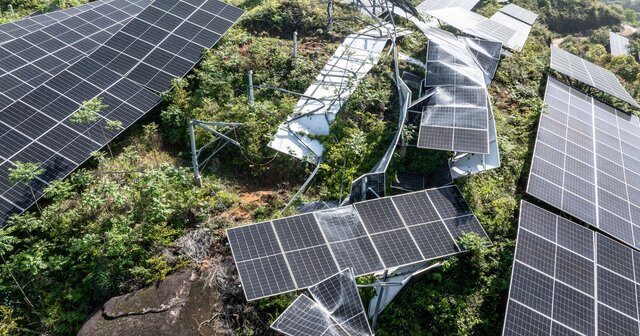
Over the last three years, Consumers Energy and DTE combined have only built enough wind and solar capacity each year to generate 0. 8 gigawatt-hours a year. Ten large projects were denied by local authorities and have been sent to the Michigan Public Service Commission which can override local decisions. After three years the MPSC has approved only one project. The regulated utilities have plans to build enough new wind and solar by 2030 to generate about 28.5 gigawatt-hours. That would require adding about 5.7 gigawatt-hours a year, seven times more than the state has managed to build over the last three years. Our studies show that building this much new wind and solar projects could triple residential electric rates.
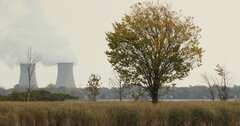
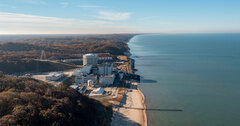
In contrast, without a state mandate, Holtec International will complete a two-year project to restart the Palisades nuclear power plant, likely by the end of this year. The plant will generate 6.7 gigawatt-hours a year. Holtec is close to obtaining federal permits to build two small modular reactors for service by 2030-2031. These two plants will generate 5.9 gigawatt-hours of electricity, amounting to almost half the total amount generated by wind and solar according to the state’s plan. Holtec also owns the closed Charlevoix nuclear power plant site.
The current state mandate would also close coal-fired power plants 15 years early. These plants currently generate 24 gigawatt-hours a year. The combination of opening nuclear power plants and keeping the coal-fired plants open would supply more power than the wind and solar plan, with no added electricity price increases.
Which plan would you prefer?
Get insightful commentary and the most reliable research on Michigan issues sent straight to your inbox.

The Mackinac Center for Public Policy is a nonprofit research and educational institute that advances the principles of free markets and limited government. Through our research and education programs, we challenge government overreach and advocate for a free-market approach to public policy that frees people to realize their potential and dreams.
Please consider contributing to our work to advance a freer and more prosperous state.