


 Font size:
The new state budget authorizes 174 pork projects at a cost of $180 million. This sum is down from the last budget’s figure of $360 million and down from 2023 when lawmakers approved $1.8 billion in pork projects. While spending a tenth of what we once spent is an improvement, a look at the projects shows why it’s still a lot of spending on items that shouldn’t be in the budget.
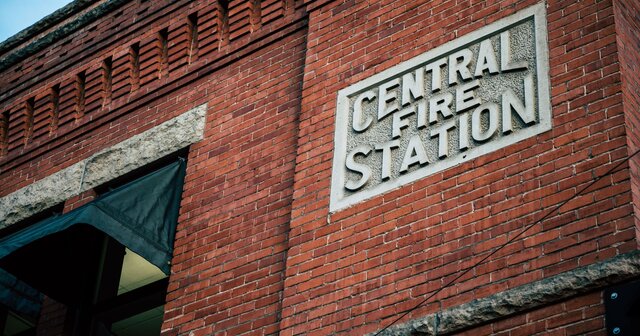
Some of these projects help local governments pay for equipment. Lawmakers put in $500,000 to renovate a firehouse in Ferndale, for instance. While the city government there will likely appreciate the extra money for this project, maintaining fire stations is a regular cost of city services. City officials tend to look within their own budgets to pay for services, and Ferndale also collects $27.9 million in general fund revenue. Budgeting is about spending money among priorities and extra money from the state transfers what ought to be a priority for local funds to the state taxpayer.
Some of the pork spending goes to projects that ought to be funded by user fees. Lawmakers authorized $790,000 to repair and replace the water systems in the Village of Barton Hills in Washtenaw County. Normally, the cost of operating and maintaining water utilities is covered by the fees charged to the people who use the system. The Census Bureau reports that the average income of Barton Hills residents exceeds $250,000 a year. If anyone in the state should be able to afford to pay for improvements in their own water system via user fees, they should be able to.
Some of the money goes to nonprofits. For instance, $1.5 million will go to Team Cares for a pediatric and sedation dentistry clinic. Will giving to this group deliver better outcomes than spending on alternative projects? Is it the best option in the state for charity pediatric and sedation dentistry services? I don’t know. Legislators make requests and the political process, not objective criteria, determines which will deliver the “best” results.
People may have opinions on the appropriateness of other items in the pork list. There is $2 million for the Detroit Auto Show, $1 million for a green bank, $1 million for a trade union training center. See an Excel workbook of the projects here.
The projects transfer responsibility from local sources to the state taxpayer, interrupt the idea that users should pay for their services, and pay for things that ought to be left to voluntary contributions.
There is another reason why people ought to be skeptical of pork projects: It’s not how the state government should work. Legislators from different districts are supposed to come together to figure out what is best for the state, broadly speaking.
Most of the budget works this way. The corrections department is here to administer the justice system statewide. Yes, there are prisons in particular areas of the state, and the legislators in those districts will care about their continuing operations, which employ some of their voters. But rule of law, which the department contributes to, also benefits the public.
The system of roads helps people get around the state. School funding is to ensure an educated public.
Pork projects appeal to a more basic politic impulse, though. Elected officials serve a particular district, and they want to show that their work benefits their constituents. It’s why they’re called pork projects; officials want to bring home the bacon. Whether it provides broader benefits to the rest of the state is irrelevant.
This impulse is supposed to be counteracted by legislative districts competing with each other. Everyone’s in the same situation and knows that they must make the case that spending benefits people elsewhere.
Legislators now fill in forms that are posted to a public website, giving them a chance to make the case that their pork projects provide broader benefits. They struggle with the task. They’ll talk about the benefits to their constituents of new wells, for instance, but neglect to explain why it would help the broader public.
The point of the state government is to benefit the public. Pork projects tend to benefit just one small part of the state, at the expense of the rest. It’s good that legislators will spend much less on pork projects than they used to. But it remains something that lawmakers ought to stop.
Get insightful commentary and the most reliable research on Michigan issues sent straight to your inbox.

The Mackinac Center for Public Policy is a nonprofit research and educational institute that advances the principles of free markets and limited government. Through our research and education programs, we challenge government overreach and advocate for a free-market approach to public policy that frees people to realize their potential and dreams.
Please consider contributing to our work to advance a freer and more prosperous state.