

 Font size:
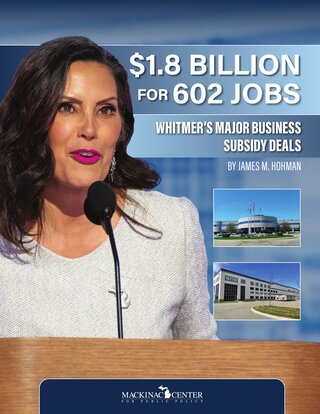
This report analyzes each of the governor’s major job deals — those that offered $100 million in payments and received significant media attention — and tracks what was offered to companies, what public officials promised regarding the deals, and what this spending achieved.
All told, the governor said that her major subsidy projects would create 20,595 jobs in Michigan. So far, these deals have created 602 jobs, just 3% of expectations.
Michigan Gov. Gretchen Whitmer offered billions of taxpayer dollars to select companies in an effort to create jobs during her eight-year term. Overall, she has authorized $6.9 billion for business subsidies since gaining office in 2019. This includes $2.7 billion for eight major projects that were widely touted by the media throughout the state.
Whitmer claimed these signature deals were “generational.” They would transform the entire state’s economy, she said, and they would usher in a future of prosperity.
It is clear by now that these eight deals are not going to have a generational effect. The state’s economy remains untransformed. Michigan’s future might become more prosperous, but it will have nothing to do with Whitmer’s major business subsidy deals.
None of these deals have delivered what was originally announced. Two created only vacant fields. Two were canceled altogether. One deal has only a largely unused facility to show for it. Two others merely supported ongoing operations at existing auto plants that did not expand their operations. The most promising developments resulting from these deals are two battery plants that are still under construction but have already reduced their job targets from original expectations.
All told, the governor said that her major subsidy projects would create 20,595 jobs in Michigan. So far, these deals have created 602 jobs, just 3% of expectations. Of the $2.7 billion offered, $1.8 billion has been spent — transferred either to companies or to local economic development agencies.
This report analyzes each of the governor’s major job deals — those that offered $100 million in payments and received significant media attention — and tracks what was offered to companies, what public officials promised regarding the deals, and what this spending achieved.
Elected officials often feel compelled to write big checks or offer tax breaks when a business is contemplating moving to Michigan or expanding its existing operation in the state. Voters care about the state of the economy and want to hear that their lawmakers are doing something to create jobs.
Rigorous evaluations of the effects on economic growth of targeted fiscal favors for select businesses show little impact. The lack of success in turning deals into economic gains shows that both voters and lawmakers ought to be more skeptical of them.
Selective subsidy programs fail to develop the economy on the whole, but they also fall short of delivering on the promises made by public officials. An assessment of major subsidy deals announced on the front page of the state’s largest newspaper between 2000 and 2020 found that companies produced just 9% of the jobs promised when deals were made. In other words, when public officials announce that an agreement with a company will create 1,000 jobs, only 90 jobs materialized, on average.
Whitmer’s track record on major subsidy deals is even worse than the 20-year average.
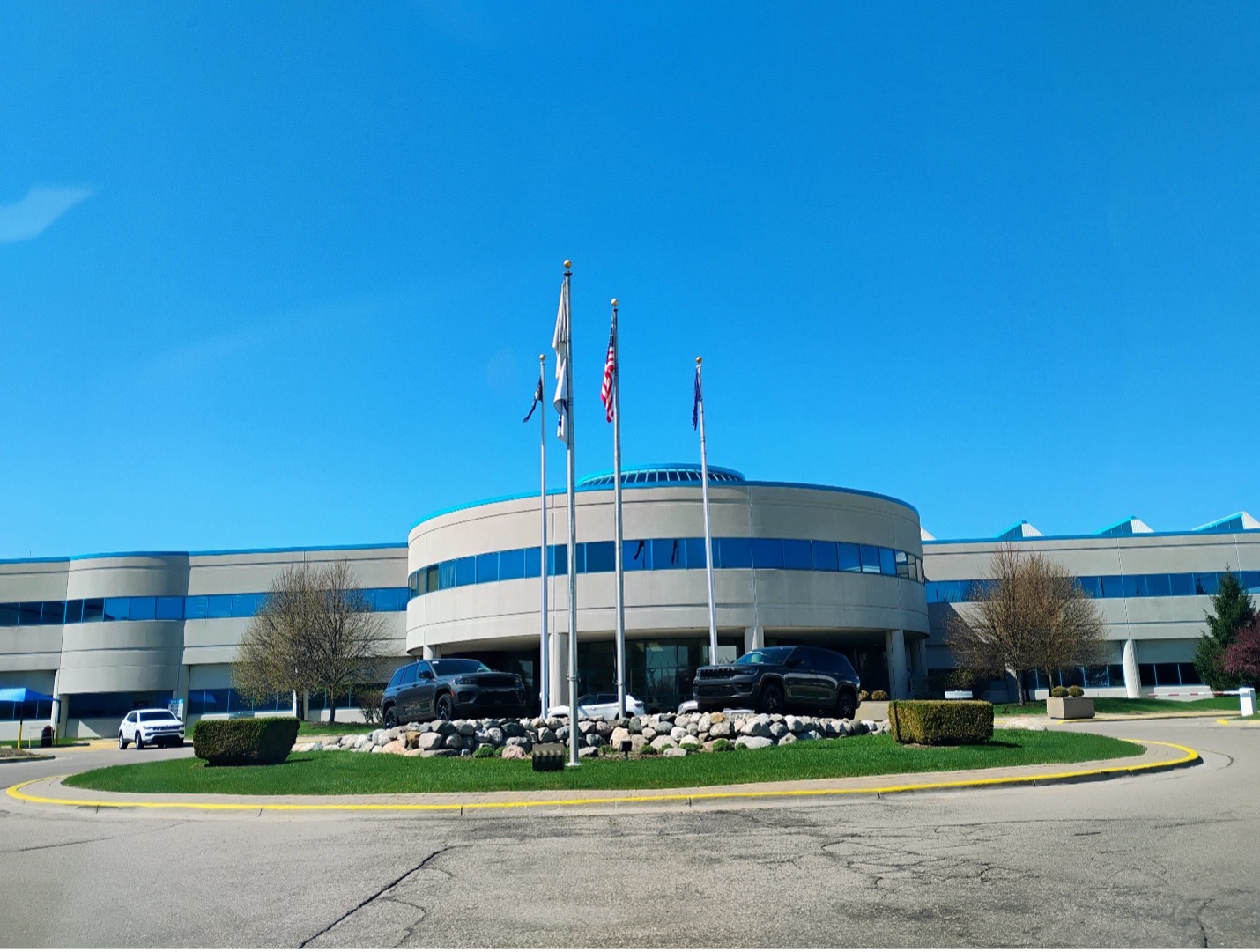
The state offered $109 million in subsidies and other tax breaks to Fiat Chrysler in May 2019 to upgrade its Detroit and Warren plants and create 6,433 jobs. The state’s official announcement called the plan a “generational investment,” and Whitmer said it was “a historic day for Michigan.” The deal, she continued, sent “an irrefutable signal that Michigan remains the automotive capital of the world.”
The project did not live up to expectations, and the day it was announced will not go down in history.
According to state reports, the Warren portion of the deal was “dismissed” within 15 months of the announcement. The state provided only this explanation: “The incentive was approved by the [state] based on project need. Through developments of the project after [state] approval, it was determined the incentive was no longer necessary for the project to move forward.”
Parts of the deal meant for converting and expanding factories in Detroit were a mixed bag. Fiat Chrysler received
$10 million to establish 3,850 jobs at one plant, and the state lists these jobs as created in its 2021 annual report.
This part of the deal was labeled “ended” in the subsequent annual report.
These 3,850 jobs plus another 1,100 promised in the announcement were listed as “committed” but not yet created under a different subsidy program in the state’s annual report. This part of the deal was marked dismissed in 2025, with no new jobs having been created. The state will not make any payments because the company will not report on its activities related to this project.
Fiat Chrysler probably did increase employment in Detroit during Whitmer’s term. The city’s annual financial reports show the company employed 9,527 in the city in 2024, up from 5,981 in 2018. And while it reported 3,850 jobs at one facility in Detroit for which it received $10 million from state taxpayers, its failure to report any jobs connected to the other part of the deal suggests it did not meet the deal’s job creation requirements.
Regardless of how many jobs the Detroit plants may have created since the deal was announced, the subsidy failed to produce the 6,433 jobs promised in Whitmer’s press release. The fact that the state canceled these deals suggests that special subsidies were not responsible for the jobs that may have been created. Therefore, no jobs for the Fiat Chrysler deal are included in this report’s tally.
The plants in Warren and Detroit are still operating and producing vehicles, even though these “historic” and “generational” deals were dismissed. In fact, there has been an automotive manufacturing facility at a portion of
the Detroit site since 1916.
Lawmakers created a new business subsidy program in December 2021 that allowed them to award any business they wanted however much they would like to give. The program was only limited by the size of its legislative appropriation. State economic development officials could offer up any deal, just so long as it was approved by the Legislature’s appropriations committees.
In January 2022, lawmakers approved $600 million in direct payments to General Motors, plus $66.1 million for site preparation and additional tax breaks, to build a new battery factory in the Lansing area and to convert its Lake Orion plant for producing full-size EV pickups. The projects would create 4,000 jobs.
The title of the governor’s press release started with: “Gov. Whitmer Secures Historic $7 Billion Investment.” The governor added, “Michigan's future is bright, and I will continue working with anyone to make transformational investments in our economy, create good-paying jobs, and empower working families."
The project may yet create good-paying jobs and empower working families, but it has so far not come close to its stated expectations. Its lofty promises have been revised downward, and GM abandoned its stake in part of the deal.
Although the announcement claimed GM would create 4,000 jobs, the deal the state put on paper only required the company to create 3,200 jobs. GM would receive money from taxpayers as it built and updated its facilities. The state could only ask for its money back if the jobs had not been created within 10 years.
General Motors sold its interest in the battery company near Lansing and announced that it would not be producing electric vehicles in the Lake Orion plant.
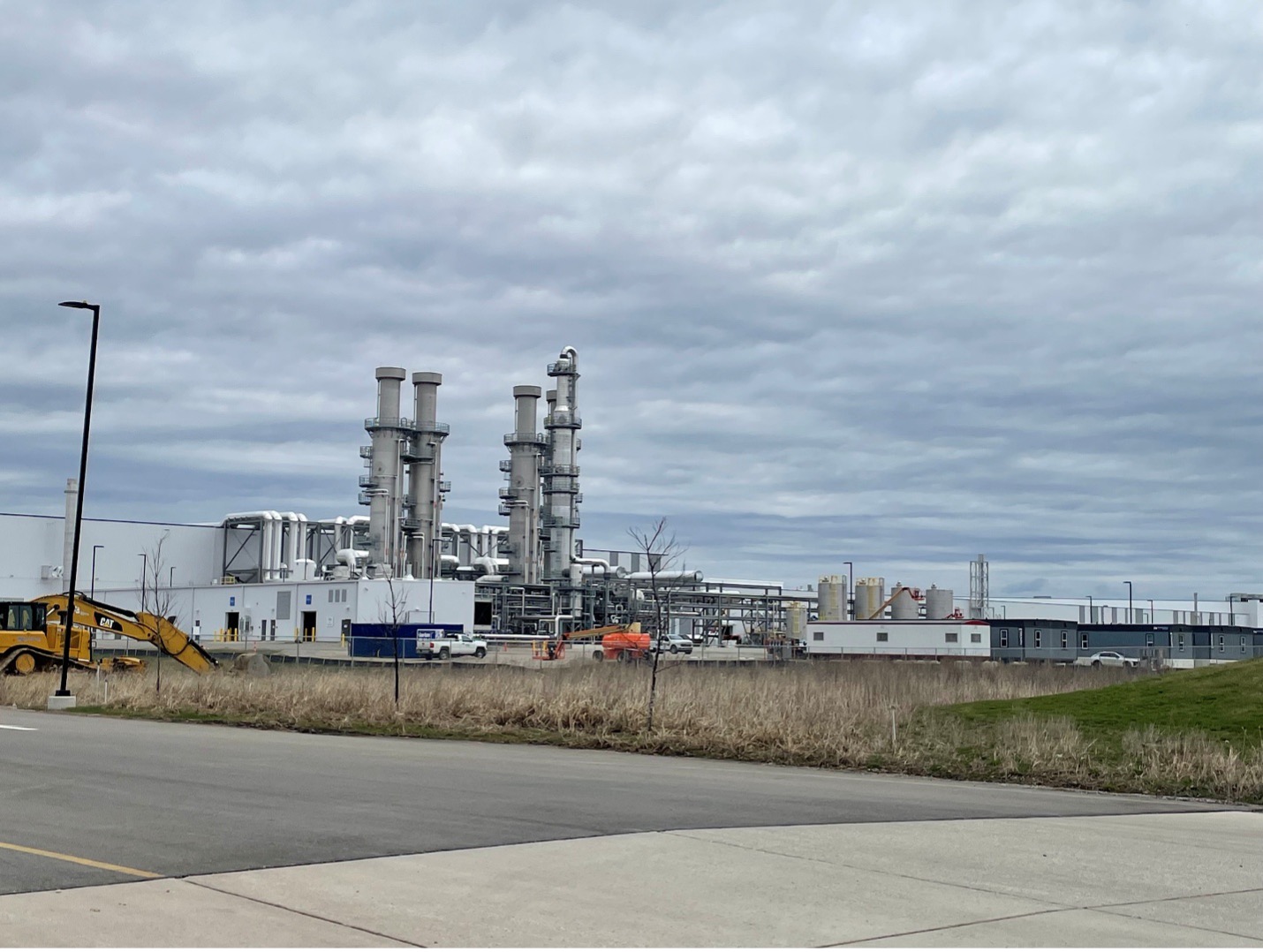
LG Energy Solutions took control of the battery factory and will reportedly build large-scale batteries to ship to a Tesla factory in Houston. This will not be used for electric vehicles but for power companies and businesses needing to store substantial amounts of electricity. A visit to the LG plant in Lansing in April 2026 showed that the company had constructed a building and further construction was ongoing.
The two companies have received all $600 million, with $480 million collected by General Motors and $120 million by LG Energy Solutions. The $66.1 million in site preparation money was transferred to a local economic development agency. Combined, that’s more than enough to cover the state’s annual per-pupil payment for all the students enrolled in Michigan’s largest school district, Detroit Public Schools Community District.
Although construction is still ongoing at the Lake Orion plant, no jobs have been created there, according to the latest state report. The LG plant reports 408 jobs.
Lawmakers authorized $100.8 million of state subsidies and additional tax breaks in June 2022 for a series of upgrades to Ford plants and a new packaging center for the company.
“With this announcement, Michigan has added nearly 25,000 auto jobs since I took office, and we continue to lead the future of mobility and electrification,” said Whitmer.
Michigan did not add 25,000 auto jobs during her term. According to data from the Bureau of Labor Statistics, jobs in Michigan’s auto and auto part manufacturing industries increased from 170,300 in January 2019, when the governor’s term began, to 173,600 jobs in June 2022, a 3,300 job gain, or one-eighth of what the governor claimed. Since then, there has been a sharp decrease, with jobs in the industry falling to 154,300, a decline of 16,000 over the whole of Whitmer’s term.
The Ford deal did not create the future of mobility and electrification in the state.
The deal was not finalized. According to the state, “[T]he company has met the overall jobs commitment and investment commitment; however, the company will not meet the project site commitment. To that end, the company has agreed to forgo the [$100.8 million] that was approved to support [the project].”
This could mean that the company was not able to keep as many of the existing jobs as it had committed to keeping, but it is unclear. The outline of the deal committed the company to retaining a number of jobs at the existing facilities, so if the company was going to meet its job creation and investment requirements, as administrators said, then perhaps it was unlikely to meet the “project site base” requirements.
| Project Site | Project Site Jobs Commitment* | Project Site Base* | Projected Total Headcount By Project Site* |
|---|---|---|---|
| Rouge Electric Vehicle Center | 1,508 | 532 | 2,040 |
| Michigan Assembly Plant | 382 | 4,898 | 5,280 |
| Monroe Packaging Center | 650 | 0 | 650 |
| Rawsonville Plant | 250 | 645 | 895 |
| Livonia Transmission Plant | 240 | 3,018 | 3,258 |
| Total | 3,030 | 9,093 | 12,123 |
Source: Michigan Strategic Fund, Board Meeting Agenda, June 2, 2022.
*Figures incorporate both hourly and salaried jobs.
The company built the new packaging center without state subsidies, and it still operates all the plants included in the deal. But, because the deal was cancelled, whatever jobs Ford may have created were not generated by the subsidies the state offered.
According to Cory Savino of the Michigan Senate Fiscal Agency, the deal was given up by the company as a condition of receiving money for its Marshall plant, discussed below.
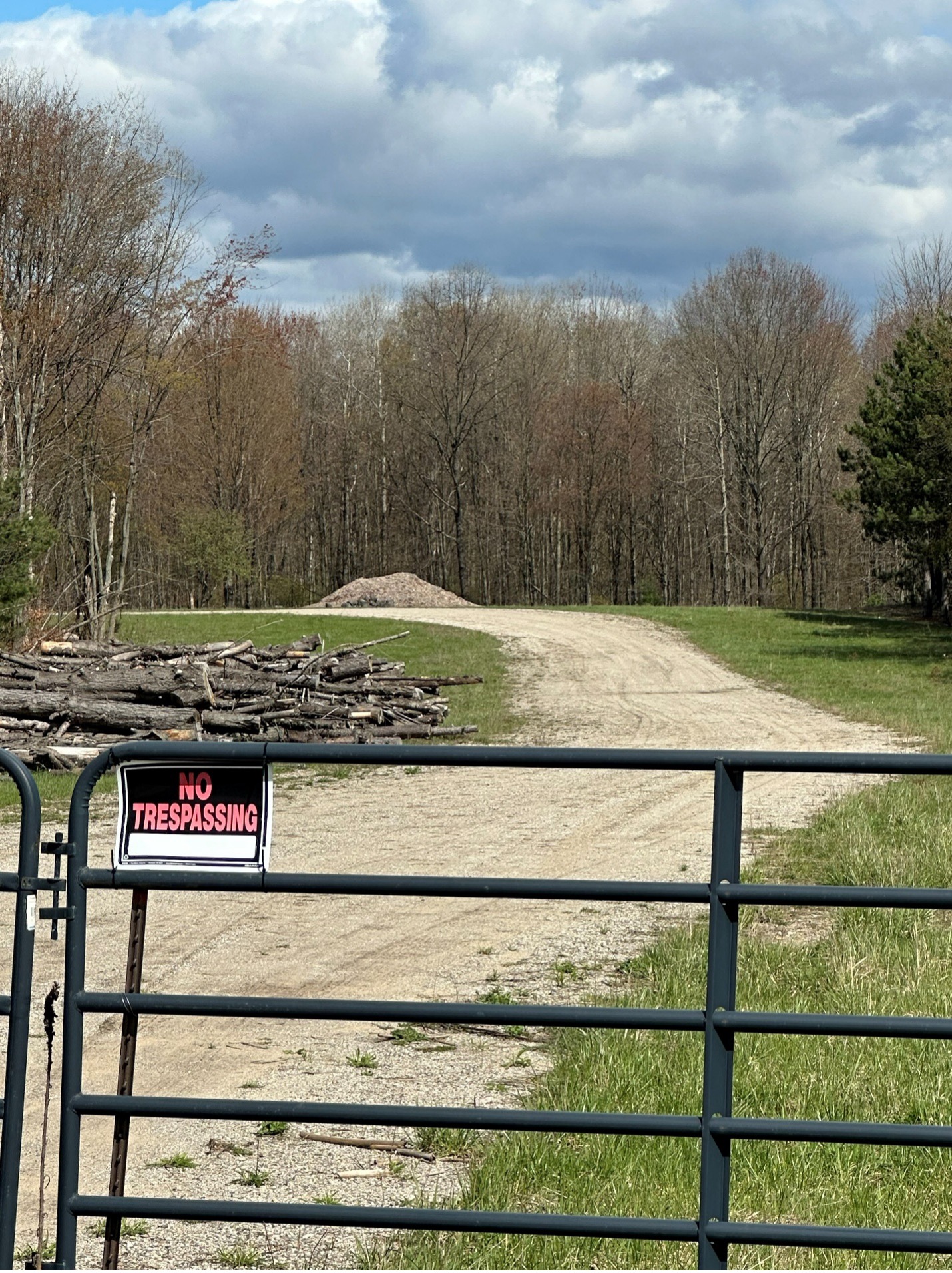
In October 2022, lawmakers offered battery component manufacturer Gotion $125 million in subsidies, 30 years
of tax breaks, and $50 million to the local economic development authority to purchase and prepare land for the company. The company would build a facility to make battery components that would employ 2,350 people.
Whitmer said that the company “will shore up our status as the global hub of mobility and electrification.”
The project did not make the state a global hub of mobility and electrification.
The company did not build the facility. It did not receive any money from the state. The local development company received the $50 million and will return $26 million to taxpayers, according to reporter Kurt Nagl of Crain’s Detroit Business. Attorney General Dana Nessel is also seeking repayment of the rest of the award.
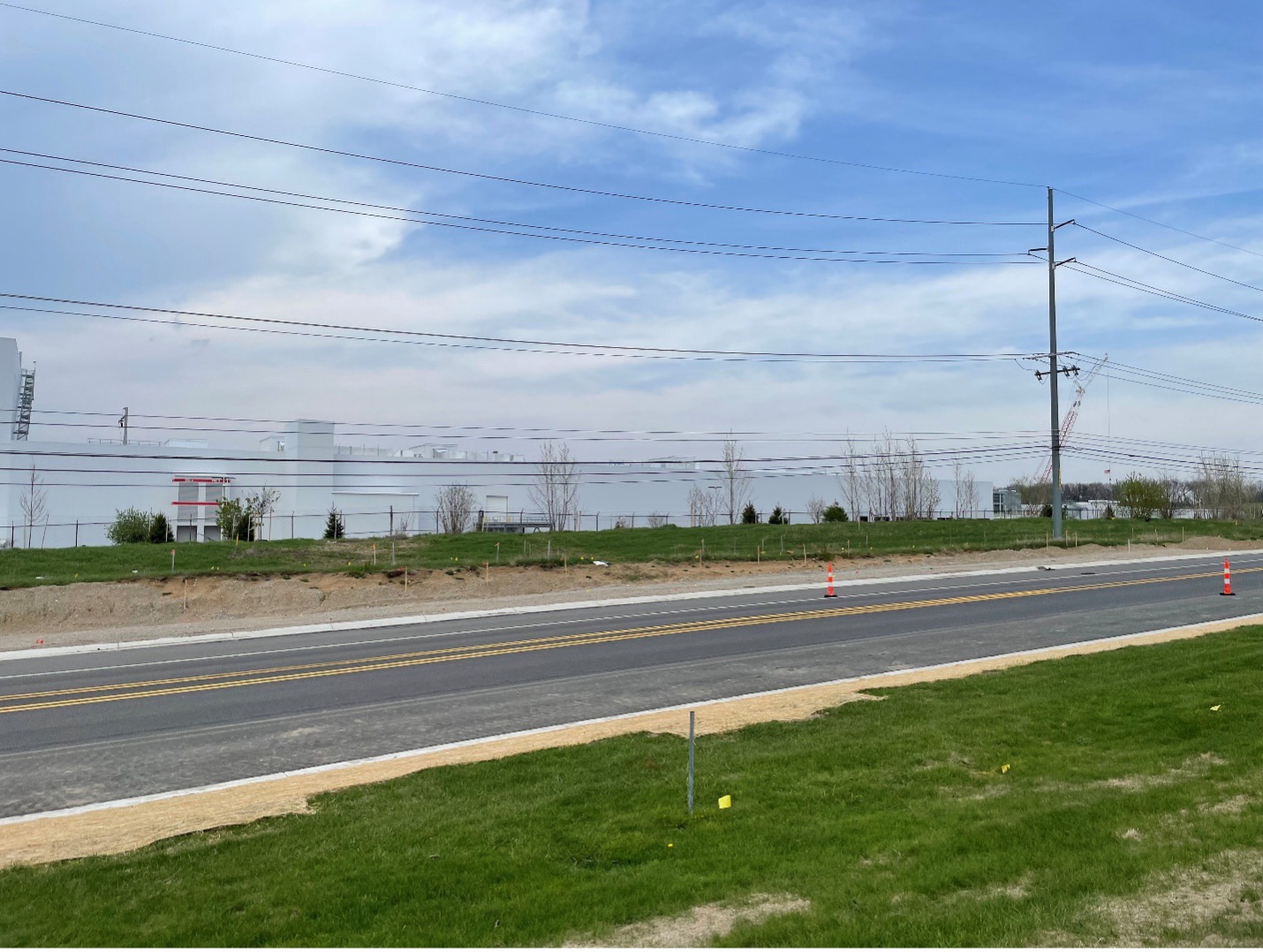
A visit to the site shows that someone had cut down some trees and started clearing land. With nothing ever
built, no one was ever employed in what Whitmer called “the biggest-ever economic development project in
Northern Michigan.”
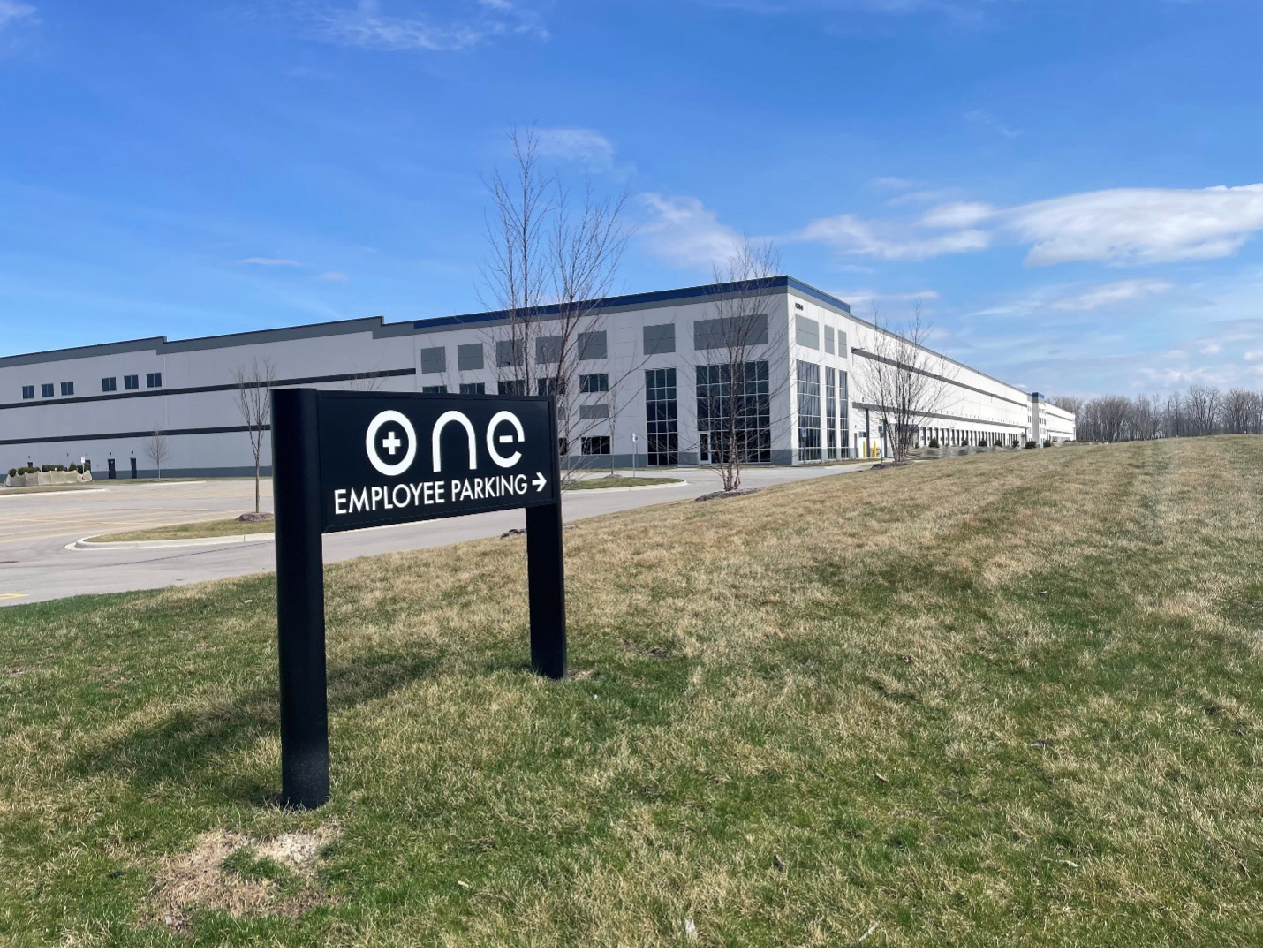
Lawmakers offered Our Next Energy, an automotive battery manufacturer, $200 million in subsidies, a $15 million loan, and property tax breaks in October 2022. The company was to create a manufacturing facility that would employ 2,112 people.
“With this new gigafactory, we will continue bringing the supply chain of electric vehicles, chips, and batteries home to Michigan and the USA while creating a sustainable, clean energy economy,” Whitmer said.
The project did not create a sustainable, clean energy economy.
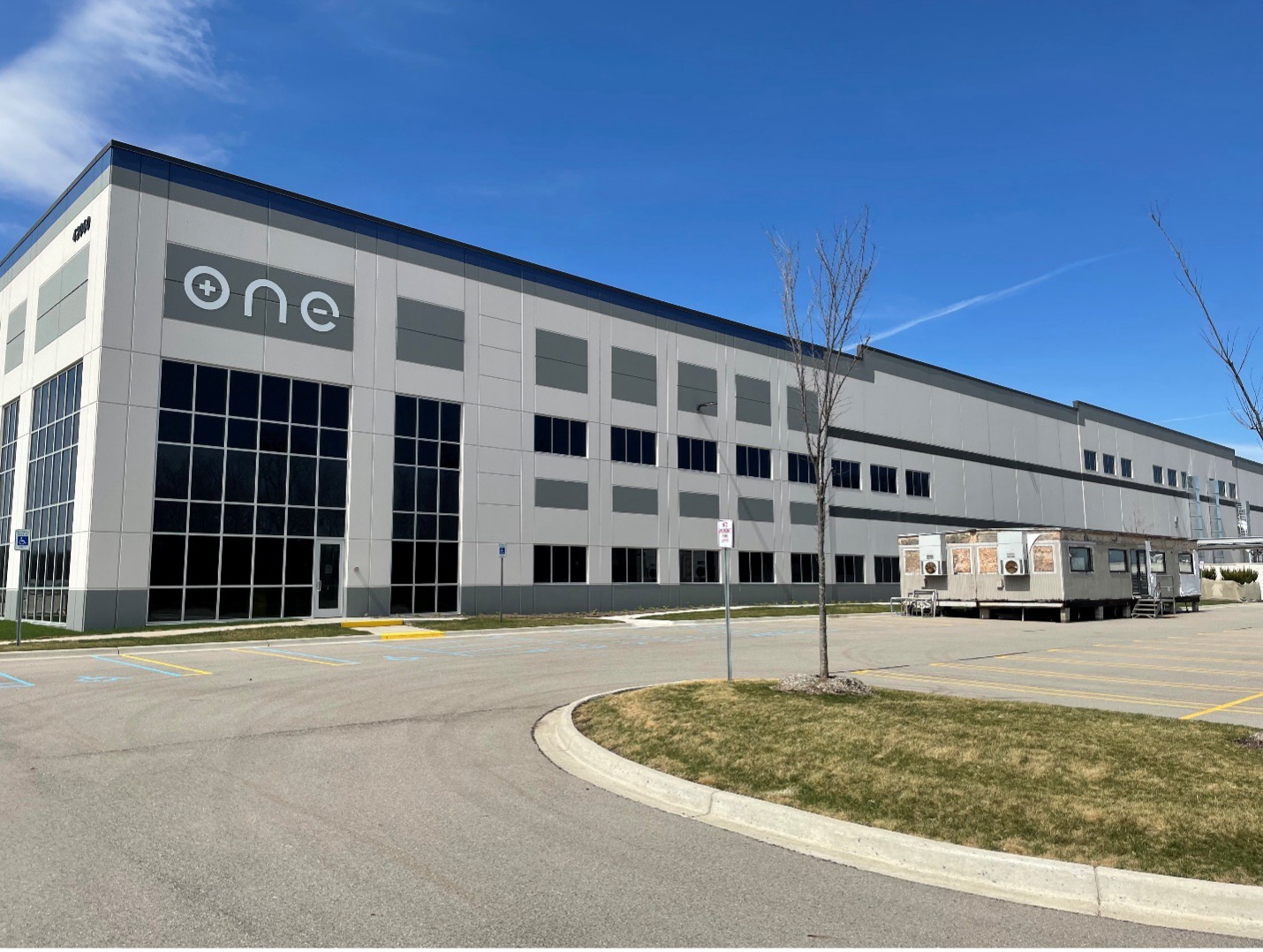
The state paid $70 million to the company, but it created just 48 jobs, according to a 2025 state report. Company officials announced at the beginning of 2026 that losing an EV customer required them to lay off employees. The company would transition to making different types of batteries, which would result in a 45% reduction in its workforce.
What remains of this deal after more than three years is a big building that is mostly empty. The company has not completed the facility and is trying to lease a portion of this space, according to The Detroit News.
Lawmakers authorized $200 million in January 2023, among other tax breaks, to be paid to paper manufacturer Billerud to improve its Escanaba mill. The project would enable the company to keep its 1,240-person workforce in the area.
“When we come together to focus on the issues that matter, we can support businesses of all sizes, grow our economy, spur innovation, and move Michigan forward,” Whitmer said.
The project did not move Michigan forward. In fact, it never moved at all.
Less than 18 months after Whitmer announced the deal, in May 2024, the company cancelled its plans to upgrade the facility. Billerud did not receive any payments from the state.
The area has been growing without the state subsidies and improved facility. The Bureau of Labor Statistics does not report on employment in towns as small as Escanaba, but employment in the broader Delta County increased from 14,975 people when the deal was announced to 15,151 people in March 2026, a 1.2% increase.
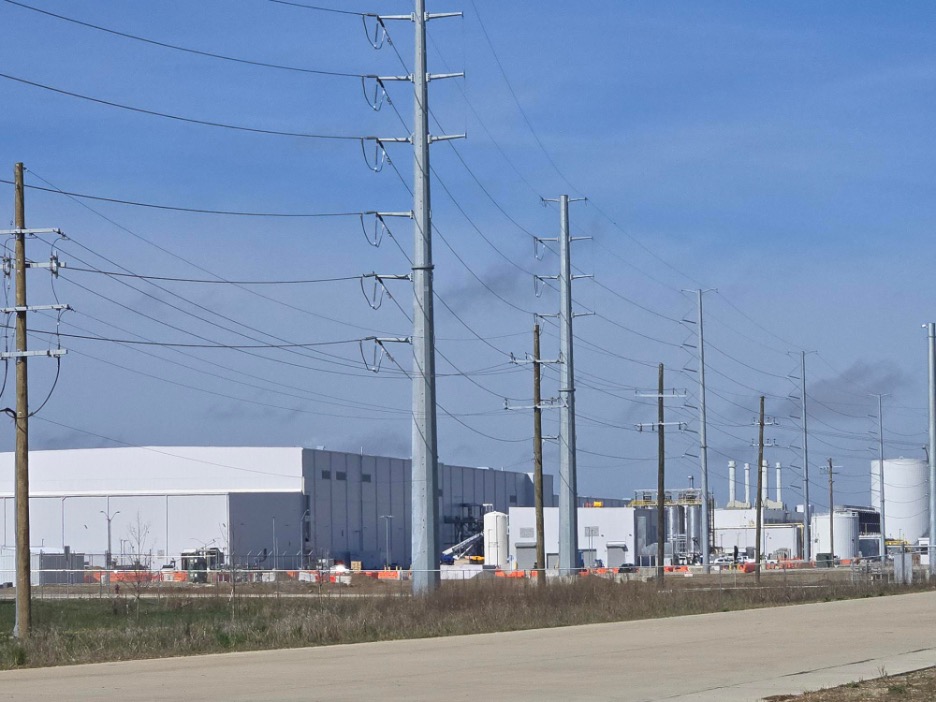
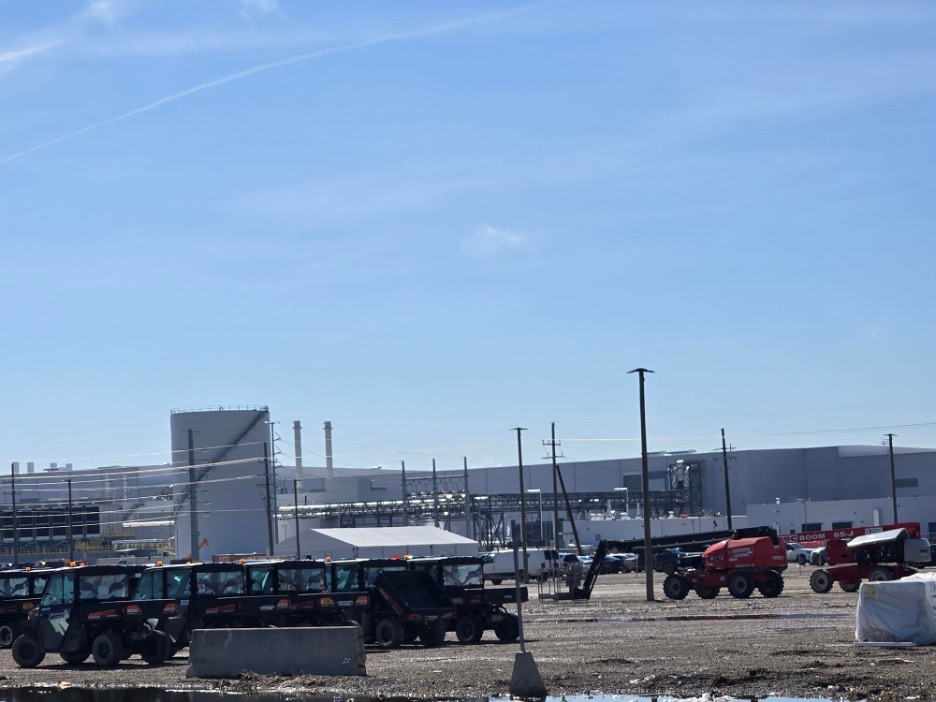
The state authorized $210 million in subsidies, plus further tax breaks, to Ford in February 2023 to build an EV battery plant in Marshall. They also authorized a $36 million loan to a local development agency to buy and prepare land for the company. Legislators then authorized an additional $630 million for site preparation in March 2023. Later the same month, lawmakers gave $120 million more to the local development authority, for even more site preparation.The plant was expected to add 2,500 jobs.
“Today’s announcement marks another historic economic win for the state in recent months and will help our economy grow even stronger,” Whitmer said.
The deal has not been a historic win for the state.
The state increased its money for the local development agency to $185 million in October 2023. The company announced that it reduced the scope of the project to 1,700 jobs in November 2023, and the state subsidy was reduced to $166 million.
The company has not collected any of the $166 million. The state reports that 146 jobs have been created at the project. The local development agency has received $780 million for site preparation work. That is more than the state spends annually on the Department of Licensing and Regulatory Affairs.
The building in Marshall is still under construction.
Lawmakers wanted to attract a semiconductor manufacturer to the Flint area. In May 2024, state officials authorized $250 million to purchase and prepare land for an unnamed company. They had authorized $9.2 million for the same purpose the month prior. Policymakers refused to identify the company after signing nondisclosure agreements.
“Together by investing in people, winning projects, and revitalizing places, we can grow our economy and lead the future of advanced manufacturing. Let’s keep our foot on the accelerator so everyone can ‘make it’ in Michigan,” Whitmer said.
The project did not grow the economy or lead the future of advanced manufacturing.
After the company decided not to proceed, details were released about what state officials had negotiated. The deal was with Sandisk and was supposed to create 7,400 jobs. Company officials asked for $6 billion in extra subsidies and more tax exemptions, not including undisclosed amounts of federal subsidies.
The local developer has received about $200 million in state payments. That’s more than it takes to operate the Department of Agriculture & Rural Development for a year.
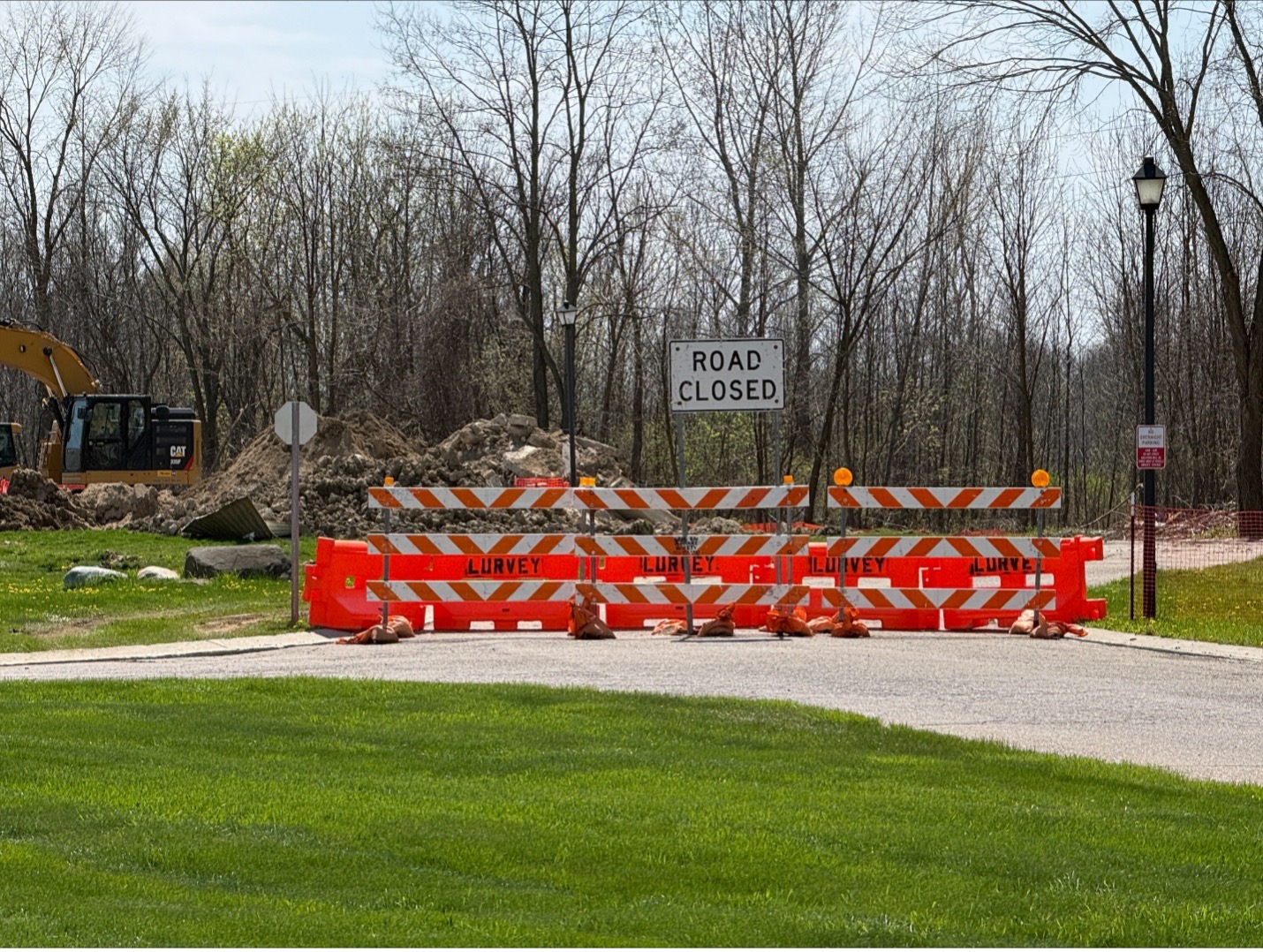
The result is a big empty field, some homes purchased for demolition and an attempt to demolish and move a school.
As seen in this review, elected officials treat the economic development deals they make as a wellspring of broad economic prosperity. Yet, these deals rarely deliver on their promises.
People should not expect these projects to lead to economic growth, even if officials repeatedly say that they will. The state’s economic trends come from the decisions made by millions of people responding to their own opportunities and incentives. It is difficult for even the $1.8 billion of subsidies spent on these projects over eight years to have a material difference on the state’s $730 billion-per-year economic production.
This can also be seen in the figures on the state’s job creation and loss. Most of the people who make decisions that add jobs or eliminate them do not ask for permission from state lawmakers. Michigan employers have created an average of 884,580 jobs per year from 2019 to 2024 and eliminated 878,843 annually over the period.
Had all the companies included in Whitmer’s major economic development deals created the number of jobs that were announced, they would only have been able to replace 2% of the jobs lost in the state in a single year. Even had these deals performed as expected, they would have had a minor effect on the state’s job trends. The 602 jobs that have been created from these projects matter to the people who have them, but they account for 0.01% of total job creation during the Whitmer administration.
To be fair, these major economic deals look like they have a bigger impact if compared to net job creation rather than gross job gains and losses. Net job creation in Michigan has struggled during Whitmer’s term. The state added 42,700 jobs from January 2019 to April 2026, according to the Bureau of Labor Statistics. This is only a 1% increase, the ninth-worst among the states. No other state had made more deals worth more than $100 million during this period, according to Good Jobs First.
Whitmer maintained an active business subsidy agenda during her term, and the state economy struggled. The gambles she made have not paid off, nor should voters or lawmakers expect them to in the future.
The eight major deals pledged $2.7 billion to create 20,595 jobs. So far, $1.8 billion has been transferred or spent to create 602 jobs, just 3% of what was announced. No deal is expected to deliver what was originally promised. There is still hope for some job creation from two battery plants, but those projections have been adjusted downward once already. Whatever becomes of them, they will not make good on their original promises.
The failure of these major deals may have lawmakers looking more skeptically at economic development deals like these. Indeed, the Legislature did not authorize any new business subsidies in 2025, the first time since at least 2000. Voters, too, should be more skeptical. The Whitmer administration’s track record shows that marquee economic development deals rarely work out as announced and that selective business subsidies fail to drive economic growth.
| Date | Company | Subsidies Offered | Subsidies Spent | Jobs Announced | Jobs Created |
|---|---|---|---|---|---|
| May 2019 | Fiat Chrysler | $109,000,000 | $10,000,000 | 6,433 | * |
| January 2022 | GM/LG | $666,100,000 | $666,100,000 | 4,000 | 408 |
| June 2022 | Ford | $100,800,000 | 3,200 | ||
| October 2022 | Gotion | $175,000,000 | $23,600,000 | 2,350 | |
| October 2022 | Our Next Energy | $200,000,000 | $70,243,067 | 2,112 | 48 |
| January 2023 | Billerud | $200,000,000 | 1,240** | ||
| February 2023 | Ford-Marshall | $960,000,000 | $779,320,969 | 2,500 | 146 |
| May 2024 | Mundy Township site | $259,247,683 | $201,395,440 | 7,400*** | |
| Total | $2,670,147,683 | $1,750,659,476 | 20,595 | 602 |
* While there are jobs at one facility that was part of the deal, the state does not report having created any jobs for the deal on the whole.
**The Billerud deal pledged to retain jobs at the company rather than to create them and is not included in the job creation total.
***The SanDisk deal was only a proposal and since no deal was announced, the jobs are excluded from the totals.
The author would like to thank Dave Bondy, Jamie Hope, Jarrett Skorup and Andrew Jennings for their help in capturing photographs.
Below are citations for the information provided in this report. They are listed in the order they appear in the text and next to the first three words of the paragraph that contains the referenced material.
Rigorous evaluations of ... Matthew D. Mitchell et al., “The Economics of a Targeted Economic Development Subsidy” (Mercatus Center at George Mason University, November 21, 2019), https://perma.cc
Selective subsidy programs ... James M. Hohman, “Front Page Failures” (Mackinac Center for Public Policy, December 2, 2024), https://www.mackinac.org
The state offered ... “Generational Investment of $4.5 Billion by Fiat Chrysler Signals Strong Bet on Michigan’s Workforce and Automotive Leadership” (State of Michigan), https://perma.cc
According to state ... “Fiscal Year 2024 MSF/MEDC Annual Report to the Legislature” (Michigan Economic Development Corporation, March 14, 2025), 62, https://perma.cc
Parts of the ... “Fiscal Year 2021 MSF/MEDC Annual Report to the Legislature” (Michigan Economic Development Corporation, March 15, 2022), 41, https://perma.cc
These 3,850 jobs ... “Fiscal Year 2025 MSF/MEDC Annual Report to the Legislature” (Michigan Economic Development Corporation, March 16, 2026), 52, https://perma.cc
The plants in ... David Ruggles and Mike Smitka, “Autos and Economics: Mack Stamping, or a Tale of Detroit’s Decline” (July 25, 2013), https://perma.cc
The title of ... “Gov. Whitmer Secures Historic $7 Billion Investment by GM to Create Thousands of Manufacturing Jobs, Making Michigan a Home for Company’s Electric Vehicle Future” (State of Michigan, January 25, 2022), https://perma.cc
Although the announcement ... James M. Hohman, “General Motors Could Eliminate Jobs and Still Collect Full Taxpayer Cash Under Proposed Deal” (Mackinac Center for Public Policy, February 9, 2022), https://www.mackinac.org
General Motors sold ... Sophia Saliby, “Lansing Electric Vehicle Battery Plant Stalls as GM Transfers Ownership to Former Partner” (March 31, 2025), https://perma.cc
LG Energy Solutions ... Fred Lambert, “US Confirms Tesla (TSLA) Is Buyer in LG’s $4.3B LFP Battery Deal for Megapack 3” (Electrek, March 17, 2026), https://perma.cc/M2YS-G888.
The two companies ... “Fiscal Year 2025 MSF/MEDC Annual Report to the Legislature” (Michigan Economic Development Corporation, March 16, 2026), 56, 58, https://perma.cc
Although construction is ... “Fiscal Year 2025 MSF/MEDC Annual Report to the Legislature” (Michigan Economic Development Corporation, March 16, 2026), 56, https://perma.cc
With this announcement ... “Ford to Invest Two Billion to Create New Manufacturing Jobs in Michigan” (State of Michigan, June 2, 2022), https://perma.cc
The deal was ... “Michigan Strategic Fund Board Meeting Agenda” (Michigan Economic Development Corporation, July 9, 2024), 77, https://perma.cc
According to Cory ... Cory Savino, senior analyst, Michigan Senate Fiscal Agency, email correspondence with Adam Stacey, director of legislative affairs, Mackinac Center for Public Policy, May 21, 2026.
Whitmer said that ... “Whitmer Announces New Battery Component Manufacturing Facility in Big Rapids” (State of Michigan, October 5, 2022), https://perma.cc
The company did ... Kurt Nagl, senior report, Crain’s Detroit Business, email correspondence with author, April 3, 2026; Paula Gardner, “Dana Nessel Becomes Debt Collector as Michigan Seeks $24M from Gotion - Bridge Michigan” (Bridge Michigan, January 30, 2026), https://perma.cc
A visit to ... “Whitmer Announces New Battery Component Manufacturing Facility in Big Rapids” (State of Michigan, October 5, 2022), https://perma.cc
With this new ... “Whitmer Announces 2,000 New Jobs, Investment of $1.6 Billion as Michigan-Based Our Next Energy Builds Battery Manufacturing Campus in Wayne County” (State of Michigan, October 5, 2022), https://perma.cc
The state paid ... “Fiscal Year 2025 MSF/MEDC Annual Report to the Legislature” (Michigan Economic Development Corporation, March 16, 2026), 56, https://perma.cc/E5NF-RZMK; Luke Ramseth, “Novi Battery Firm Our Next Energy Cuts Staff after Losing EV Contract” (The Detroit News, January 21, 2026), https://perma.cc
What remains of ... Luke Ramseth, “Novi Battery Firm Our Next Energy Cuts Staff after Losing EV Contract” (The Detroit News, January 21, 2026), https://perma.cc
Lawmakers authorized $200 ... “FY 2021-22 and FY 2022-23 Supplemental Appropriations, Summary: Conference Report, Senate Bill 7 (S-1) CR-1” (Michigan House Fiscal Agency, January 27, 2023), 2, https://perma.cc
When we come ... “Gov. Whitmer Wins Major Economic Deals, Creating or Retaining 1,846 Jobs, Generating Over $1.2 Billion in Investments” (State of Michigan, December 13, 2022), https://perma.cc
Less than 18 ... Clint McLeod, “Billerud Cancels Plans for Escanaba Mill Upgrade, UP Leaders Call It ‘Disappointing’” (WLUC, May 21, 2024), https://perma.cc
The state authorized ... Paula Gardner, “Ford EV Battery Plant on Marshall Michigan Megasite Gets $1B in Incentives” (Bridge Michigan, February 13, 2023), https://perma.cc
The state authorized ... Paula Gardner, “Michigan Adds $120 Million in Incentives for Ford EV Megasite near Marshall” (Bridge Michigan, March 28, 2023), https://perma.cc
Today’s announcement marks ... “Ford to Invest Two Billion to Create New Manufacturing Jobs in Michigan” (State of Michigan, June 2, 2022), https://perma.cc
The state increased ... Quentin L. Messer, Jr., “Notification of Request for Modification of Strategic Site Readiness Program Grant– Marshall Area Economic Development Alliance” (Michigan Strategic Fund, July 4, 2024), https://perma.cc
The company has ... “Fiscal Year 2025 MSF/MEDC Annual Report to the Legislature” (Michigan Economic Development Corporation, March 16, 2026), 56, https://perma.cc
Lawmakers wanted to ... “Investment Projects, Housing Developments Will Create Over $1 Billion in Investment and 1,000 Jobs | Michigan Business” (Michigan Economic Development Corporation, April 16, 2024), https://perma.cc
Together by investing ... “Gov. Whitmer Announces Funding for Site Readiness Efforts, Support for Community Revitalization to Bring New Jobs and Investment to Michigan” (State of Michigan, May 21, 2024), https://perma.cc
After the company ... Paula Gardner, “Michigan Officials Defend $20B Sandisk Incentive Offer Scrutinized by Legislators” (Bridge Michigan, August 27, 2025), https://perma.cc
The local developer ... “Fiscal Year 2025 MSF/MEDC Annual Report to the Legislature” (Michigan Economic Development Corporation, March 16, 2026), 58, https://perma.cc
The result is ... Scott McClallen, “No Buyer, Other People’s Money, No Problem” (Michigan Capitol Confidential, June 11, 2025), https://www.michcapcon.com



