Data centers are the backbone of modern industry and vital for many tools that are important to Michigan families and businesses. They power cloud computing, artificial intelligence, cryptocurrency, telecommunications and almost every other digital tool used by today's economy. Demand is growing rapidly — and Michigan is positioning itself to attract more of these facilities.
But data centers have a cost and opposition is rising. Critics argue that data centers consume too much water and electricity, strain the grid and create environmental concerns. Facilities can use up to a million gallons of water per day and require significant electric capacity. Some residents are battling back, using local zoning battles and government energy policies to determine whether these projects move forward.
This event will consider the trade-offs, cut through the rhetoric and examine the facts. An expert panel will explain how the electricity grid works, examine the water usage claims and discuss how zoning, environmental policy and state energy mandates affect Michigan’s ability to compete for investment.
Are data centers a threat to communities — or an opportunity for growth? What policies ensure they “pay their own way”? And how should Michigan balance reliability, affordability and environmental goals? Join us for a practical, data-driven conversation about Michigan’s energy future and the role data centers will play in it.
Wednesday, April 22, 2026
Lunch: 11:30am - 12:00pm
Program: 12:00pm - 1:00pm
Lunch is Included
Doubletree by Hilton
3600 Plymouth Rd.
Ann Arbor, MI 48105


Call our Events office at
Event is free, but RSVP is necessary by April 12.
Register online
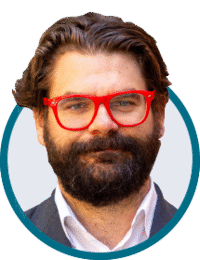
Will Rinehart is a senior fellow at the American Enterprise Institute, where he studies the political economy of technology and innovation. His research spans artificial intelligence, diagnostic testing regulation, federal agency guidance, and the CHIPS and Science Act. He serves as an expert with the Federalist Society’s Emerging Technology Working Group and previously held research roles at the Center for Growth and Opportunity, American Action Forum and TechFreedom. His work has appeared in major national outlets and has been cited in FCC regulatory orders and Supreme Court petitions. He holds an MS in applied economics from Johns Hopkins University.

Tyler Marie Theile is the Vice President and COO of the Anderson Economic Group as well as the director of public policy. An expert in economic impact and benchmarking analysis, she has directed projects for universities, U.S. states, trade associations and companies in the automotive, real estate, housing, alcoholic beverage, and other industries. She is often quoted in the media including Good Morning America, BBC, Yahoo Finance, Bloomberg, CNN, and others.
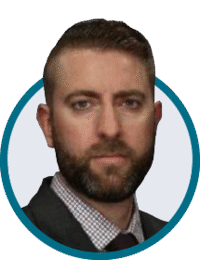
Dustin Walsh is a senior Crain’s reporter covering health care with a focus on industry change and operations, as well as the state’s emerging cannabis industry.
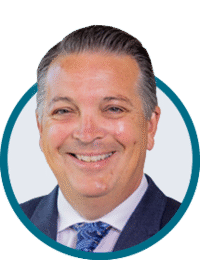
Stephen W. Mackey is the senior vice president for finance and administration at Oakland University, where he also acts as treasurer to the Board of Trustees. Appointed in 2022, he oversees the university’s financial operations, budgeting, investments and long-term fiscal strategy. Mackey previously served as associate vice president of finance at California State University, Monterey Bay, and has held senior administrative roles at the University of Southern California and the University of Miami. A 12-year veteran of the U.S. Air Force, he is recognized for his servant leadership and commitment to financial stewardship in higher education.
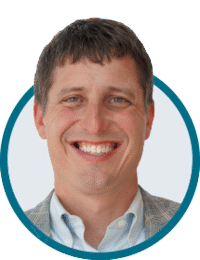
Jarrett Skorup is the vice president for marketing and communications at the Mackinac Center for Public Policy. He has held various roles with the communications department including senior director of marketing and communications, and director of the Frank Beckmann Center for Journalism within the Center. His work has been featured in the Wall Street Journal, New York Times, USA Today, Fox News, National Public Radio, Detroit Free Press, Detroit News and many other publications across the country. He joined the Mackinac Center in 2009 after graduating from Grove City College with degrees in history and political science.



