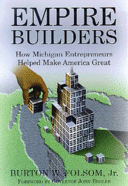
Empire Builders (Softcover)
The Vision and Influence of Michigan's Early Entrepreneurs
A handful of early Michigan entrepreneurs, including the Fords, Durants, Kelloggs, and Dows, transformed the state from a backwater wilderness into the industrial heart of North America. What made them and Michigan so pivotal in the innovations and inventions-from cars to corn flakes to Saran Wrap-that impact most of us each day?
Folsom's inspiring account chronicles the roles of markets, government, politics, and individual achievement in the development of Michigan from its fur trading days, through the lumber era that led to furniture and carriage industries, leading finally to world-class automobile, cereal, and chemical industries.
Spectacular failures of state-owned canal and railroad companies led to a crucial constitutional amendment in 1851 that restricted the business activities of state government. The amendment helped set the stage for massive private investment and prosperity for millions of workers. Whether you are a history buff, teacher, student, entrepreneur, or just a lover of Michigan, you will want to read this book. 183 pages … more
Empire Builders (Hardcover)
The Vision and Influence of Michigan's Early Entrepreneurs
A handful of early Michigan entrepreneurs, including the Fords, Durants, Kelloggs, and Dows, transformed the state from a backwater wilderness into the industrial heart of North America. What made them and Michigan so pivotal in the innovations and inventions-from cars to corn flakes to Saran Wrap-that impact most of us each day?
Folsom's inspiring account chronicles the roles of markets, government, politics, and individual achievement in the development of Michigan from its fur trading days, through the lumber era that led to furniture and carriage industries, leading finally to world-class automobile, cereal, and chemical industries.
Spectacular failures of state-owned canal and railroad companies led to a crucial constitutional amendment in 1851 that restricted the business activities of state government. The amendment helped set the stage for massive private investment and prosperity for millions of workers. Whether you are a history buff, teacher, student, entrepreneur, or just a lover of Michigan, you will want to read this book. 183 pages … more
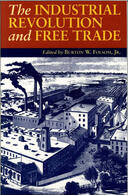
The Industrial Revolution and Free Trade
This splendid collection of 22 essays could just as well be titled "How Capitalism Saved Millions from Starvation." It answers one of the most crucial, enduring allegations about free market capitalism-that it made people poorer and exploited children, necessitating extensive government regulation.
A standout is the essay by Ludwig von Mises, which reads in part: "The factories freed the authorities and the ruling landed aristocracy from an embarrassing problem that had grown too large for them. They provided sustenance for the masses of paupers. They emptied the poorhouses, the workhouses, and the prisons. They converted starving beggars into self-supporting breadwinners."
Other essays tell how capitalism enabled millions to lift themselves up from wretchedness; chronicle government exploitation of people with taxes, trade restrictions and paper money; review the appalling legacy of Karl Marx; show how trade restrictions have destroyed jobs; and explain how capitalism liberated women. 178 pages. … more
The Spirit of Freedom: Essays in American History
Over 20 provocative essays describe many of the most glorious and notorious episodes in American history, originally published in The Freeman by the Foundation for Economic Education.
You will read about America's earliest fling with socialism, which led to starvation in the Plymouth Massachusetts colony-until they turned to private property; and the inspiring story of Quaker William Penn, the first person to help promote freedom on two continents. Several essays discuss the much maligned "robber baron" entrepreneurs who contributed to prosperity during the late 19th century. 212 pages. … more
The Myth of the Robber Barons: A New Look at the Rise of Big Business in America
Many students are taught that 19th century "robber barons" exploited their customers on the way to making America an economic colossus. Dr. Folsom makes the crucial distinction between business leaders of this period-economic entrepreneurs whose efforts broke monopolies, created wealth, and helped millions out of poverty, and political entrepreneurs who sought political influence and government subsidies to build their business empires.
Now in its third printing, Myth of the Robber Barons explodes the misperception that the great competitors of the 19th century made their gains unjustly, while it exposes the damage done by those who depended primarily on state favors. 170 pages. … more